
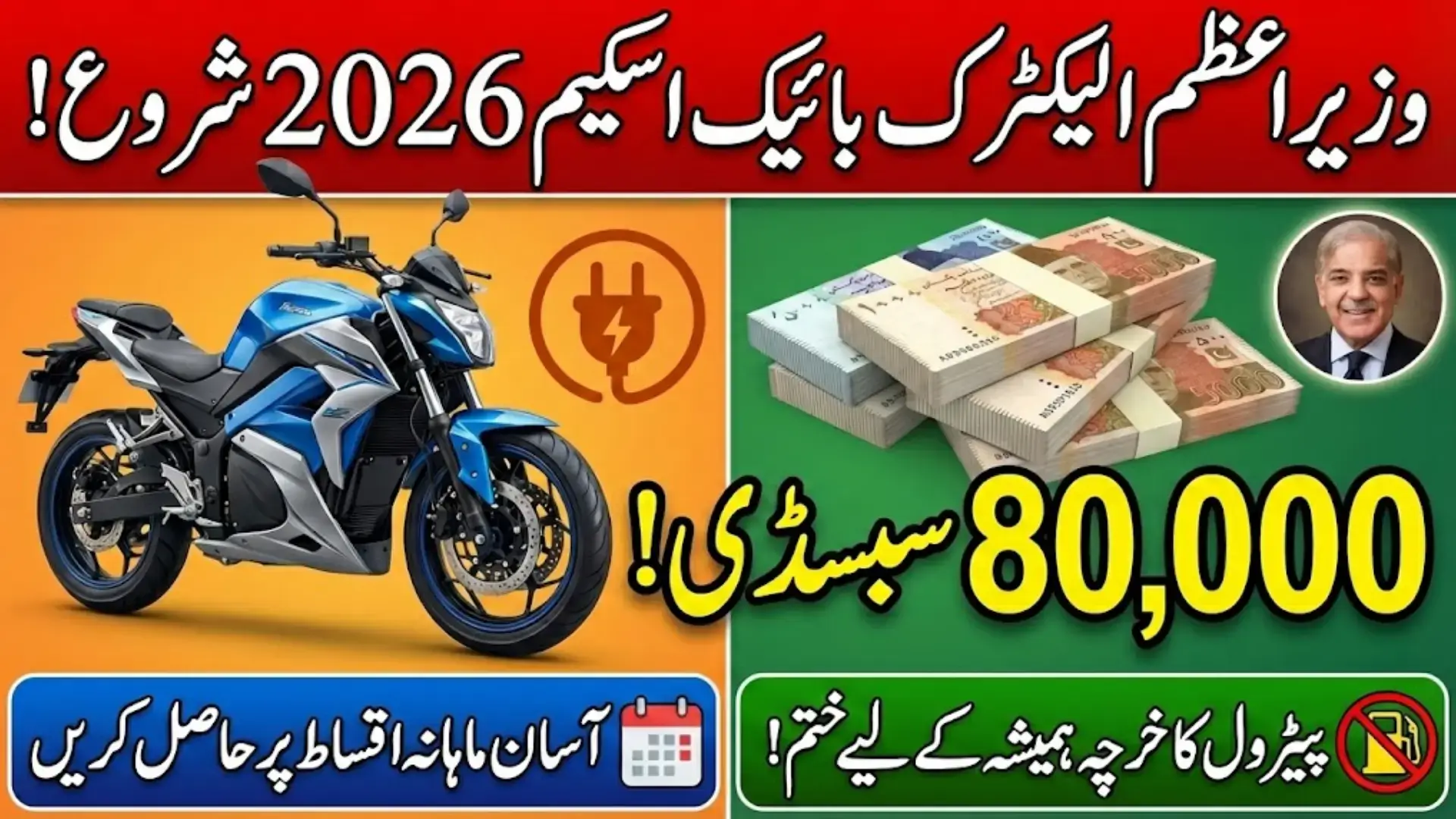
Electric Bike Scheme Launched
Electric Bike Scheme Launched Government of Pakistan has taken a major step toward modern and affordable transportation by launching the Prime Minister Electric Vehicle Adoption Scheme. This initiative comes at a time when rising fuel prices, increasing pollution, and expensive daily commuting have become serious concerns for ordinary citizens. The scheme is designed to provide relief by promoting electric bikes, rickshaws, and loaders as cost-effective alternatives to petrol-based vehicles.
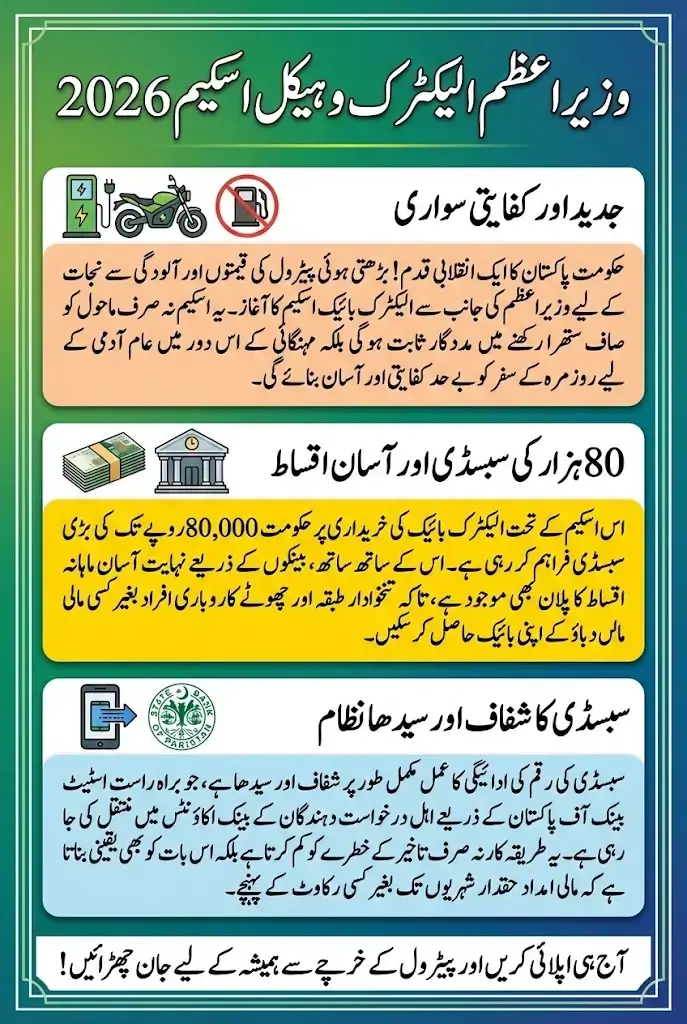
From what can be observed on the ground, the focus of this scheme is not limited to environmental protection alone. It also aims to support middle- and lower-income households that rely on two-wheelers for daily travel. By combining subsidies with easy installment plans, the government is trying to make electric mobility practical rather than just a policy announcement.
This program reflects a shift in national transport planning, where affordability, sustainability, and public convenience are being addressed together.
Start of Subsidy Distribution Process
The implementation of the scheme has moved beyond announcements, as the subsidy distribution process has officially started. Approved applicants have already begun receiving subsidy amounts, showing that the scheme is now operational and not just on paper. This first phase marks an important milestone in building public confidence.
One notable aspect is the structured and transparent method of payment. Instead of manual handling, subsidies are being transferred directly through official banking channels. This reduces the risk of delays and ensures that financial support reaches eligible citizens without unnecessary hurdles.
This smooth beginning suggests that authorities have prepared the administrative framework carefully to avoid common issues faced in earlier subsidy programs.
Total Budget Allocation and Long-Term Financial Plan
For the current financial year, the government has allocated approximately Rs 9 billion specifically for subsidies under this electric vehicle scheme. This amount is dedicated to supporting electric bikes, rickshaws, and loaders approved in the first phase. Such a significant allocation reflects the seriousness of the initiative.
Looking ahead, officials have revealed an ambitious roadmap. By the year 2030, the government plans to distribute subsidies worth more than Rs 100 billion. This long-term vision indicates that electric vehicles are expected to become a permanent part of Pakistan’s transport system.
Key financial goals of the scheme include:
- Reducing the cost burden on daily commuters
- Encouraging large-scale adoption of electric vehicles
- Lowering national fuel consumption over time
Electric Vehicles Included in the First Phase
In the first phase, subsidies are being provided for a total of 41,000 electric vehicles. A large majority of these are electric bikes, which are widely used across Pakistan for commuting, work, and small businesses. Electric rickshaws and loaders have also been included to support commercial users.
The selection of vehicles shows a clear understanding of local transport needs. Electric bikes are popular due to their low maintenance and ease of use, while rickshaws and loaders play a vital role in urban transport and goods delivery.
First Phase Electric Vehicle Coverage
| Vehicle Category | Number of Units |
|---|---|
| Electric Bikes | 40,000 |
| Electric Rickshaws & Loaders | 1,000 |
| Total Vehicles | 41,000 |
Subsidy Amount Offered on Electric Bikes
One of the most discussed features of the scheme is the subsidy of up to Rs 80,000 on electric bikes. This financial support significantly reduces the purchase price, making electric bikes accessible to people who previously could not afford them.
For many Pakistani households, upfront vehicle costs are a major barrier. This subsidy helps bridge that gap and allows buyers to consider electric bikes as a realistic option rather than a luxury.
The subsidy directly benefits:
- Students and young professionals
- Office workers with daily commute needs
- Delivery riders and small earners
Easy Installment Plans Through Bank Leasing
To further reduce financial pressure, electric bikes and rickshaws are being offered on easy installments through bank leasing schemes. This allows buyers to pay in smaller monthly amounts instead of making a full payment at once.
This approach is especially helpful for salaried individuals and small traders who have limited savings but steady income. By involving banks, the government has ensured a regulated and secure financing system.
Main advantages of the installment facility include:
- Lower initial payment requirement
- Flexible repayment options
- Increased affordability for middle-class citizens
Direct Subsidy Transfer Through the State Bank
The subsidy amount is being transferred directly to beneficiaries’ bank accounts through the State Bank of Pakistan. This system eliminates intermediaries and ensures transparency in the entire process.
Direct bank transfers help build trust among the public, as applicants can clearly see when and how much subsidy they receive. It also minimizes the chances of misuse or administrative delays.
This method reflects improved governance and accountability in public welfare schemes.
Eligibility Criteria and Vehicle Registration Requirement
To qualify for the subsidy, applicants must meet specific eligibility criteria set by the authorities. Only approved applicants are included in the scheme, and only registered electric vehicles are eligible for financial support.
Important eligibility conditions include:
- Successful approval under the scheme
- Registration of the electric vehicle
- Compliance with government guidelines
These measures ensure that subsidies are used for legitimate purposes and benefit genuine buyers.
Second Phase Expansion Plan
After the rollout of the first phase, the government plans to expand the scheme significantly. In the second phase, subsidies are expected to be provided for more than 78,000 additional electric vehicles.
This expansion will allow more citizens across Pakistan to benefit from affordable electric transport. It also shows confidence in the initial response and administrative performance of the scheme.
The second phase is expected to:
- Increase electric vehicle adoption nationwide
- Support urban and semi-urban transport needs
- Strengthen Pakistan’s electric mobility infrastructure
Environmental and Economic Impact of the Scheme
The electric vehicle scheme offers clear environmental benefits by reducing air pollution and dependence on fossil fuels. Electric bikes and rickshaws produce no emissions, making them suitable for crowded cities struggling with poor air quality.
From an economic perspective, electric vehicles help households save money in the long run. Lower fuel costs and reduced maintenance expenses make them a cost-effective choice.
Combined benefits include:
- Cleaner air in urban areas
- Reduced fuel imports
- Long-term savings for citizens
Government’s Vision for a Cleaner Transport Future
The long-term vision behind this initiative is to shift Pakistan toward sustainable and affordable transportation. By encouraging electric vehicles, the government aims to modernize the transport system while addressing environmental and economic challenges.
Based on the current implementation, this scheme appears to be a practical step rather than a symbolic move. If expanded successfully, it can change how Pakistanis commute in the coming years and reduce the overall cost of mobility.